
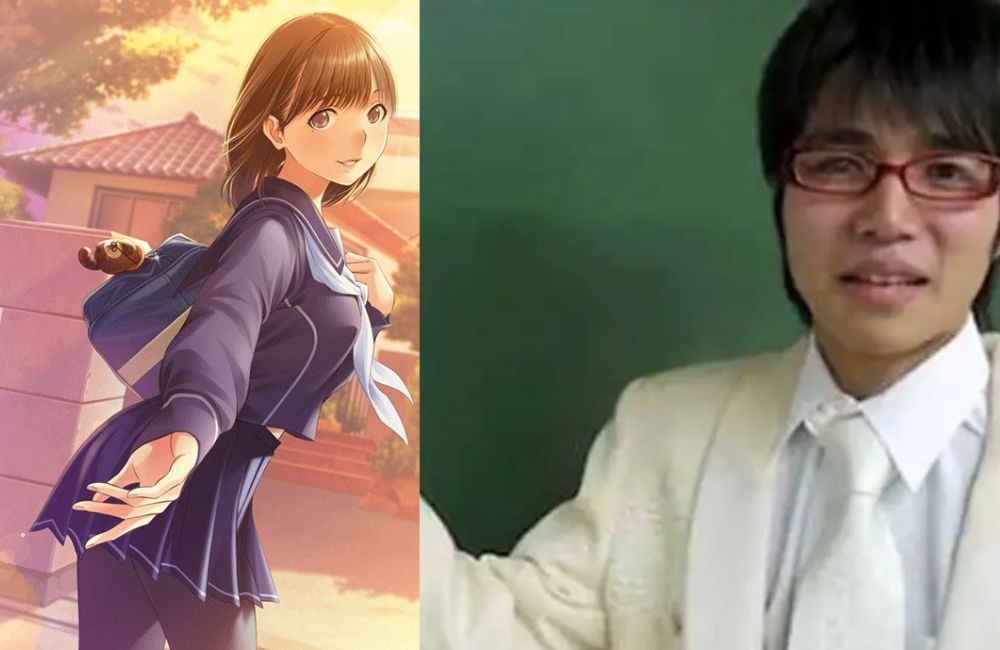
In 2009, a 27-year-old man in Tokyo who goes by the online name “SAL9000” drew international attention after holding a wedding ceremony with Nene Anegasaki, a fictional character from the Nintendo DS dating simulation game Love Plus. Nene is portrayed as a cheerful, affectionate high school girl whose in-game responses shift depending on how the player interacts with her.
SAL9000 began playing the game in September and says that over time he formed a strong emotional attachment to Nene. He started taking his Nintendo DS with him around Tokyo, to Disneyland, and even on a trip to Guam, posing the handheld console in front of well-known locations as if he were taking his partner on real-world dates.
The wedding ceremony took place a few weeks later and was streamed live on a Japanese video-sharing platform, where thousands watched online. Wearing a white tuxedo, he declared his devotion to Nene in front of friends and viewers on the web in what he described as a half-serious but deeply personal event, even though it had no legal status under Japanese law.
In interviews, SAL9000 has said he understands Nene is a game character and that no legal or physical marriage is possible. For him, the ceremony was a way to formalize a relationship he already called a “marriage” within his own life and within otaku culture, where some fans casually refer to favorite characters as their “wives.”
He has also described Nene as more appealing than a human partner in some respects, noting that she does not stay angry for long and that her personality in the game adapts to his preferences as they “spend time” together.
Features such as voice recognition and interactive dialogue in Love Plus allow him to talk to the character, play simple games, and receive in-game responses that reinforce the feeling of an ongoing relationship. Commentators in Japan have pointed to the case as one example of young people who feel more comfortable expressing emotion in virtual spaces than in face-to-face relationships.
Writer Hiroshi Ashizaki, who studies internet and game addiction, has argued that SAL9000 is not necessarily an extreme case, noting that he can still communicate publicly and stage events, and that more concerning cases involve people who withdraw from all real-world interaction.
The story remains a well-known early example of a human publicly treating a virtual character as a life partner. It continues to be cited in debates about how technology reshapes ideas of romance, companionship, and the ways people choose to express attachment in a digital age.

