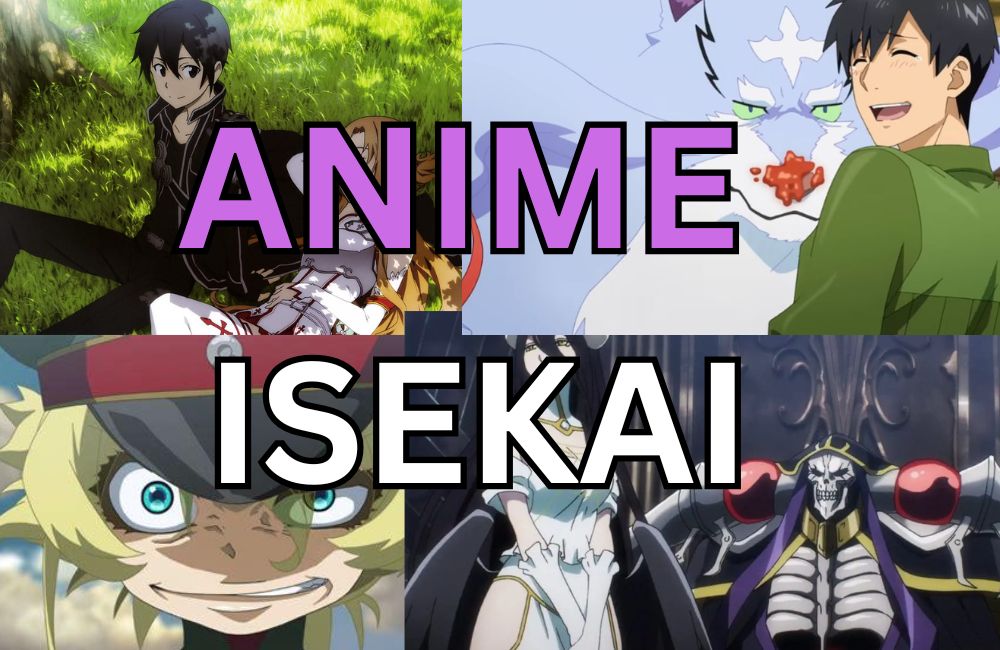
Anime isekai is a word that evokes many feelings. Stuck in a dead-end job or a pointless life? Turn that frown upside down because you end up in another world! From fantasy to frustration, isekai is the quintessential anime experience for modern fans.
What is an Isekai?
An isekai is, in simple terms, a framework of storytelling where a character is brought to a world separate from ours, through teleportation or reincarnation. Some isekai take place in a fantasy world while others are made from video game worlds.
Brief Roots And Evolution Of Isekai
Early Fantasy Gateways
Isekai is not an exclusive trope in Japan, as “Alice’s Adventures in Wonderland” (1865), “The Wonderful Wizard of Oz” (1900) and “The Chronicles of Narnia” (1950) work similarly to isekai. In each setting, a character enters a world beyond their imagination, often making the characters and audience question whether or not everything that took place was real.
Even before anime, Japan already had similar stories, such as Urashima Tarō, who saves a turtle and gets to live with the Princess Otohime in the undersea Dragon Palace for a few days, except when he returns, a hundred years pass. The earliest modern Japanese isekai stories include Haruka Takachiho’s novel “Warrior from Another World” (1979), the Christian anime “Superbook (1981), and “Aura Battler Dunbine” (1983), among others.
The Nintendo game “Super Mario Bros.” (1985) inspired the first example of another popular format of isekai: being trapped in a virtual reality, in the form of the film “Super Mario Bros.: The Great Mission to Rescue Princess Peach!” (1986).
The Modern Isekai Boom
The modern isekai boom is often attributed to the light novel series, “The Familiar of Zero” (2004-2017), where the Japanese male lead, Saito Hiraga, is transported from the modern world to a fantasy setting as a familiar for a female magic user. This light novel series inspired a number of amateur fanfiction writers from the website Shōsetsuka ni Narō (“Let’s Become Novelists”) or Narō for short, including Tappei Nagatsuki, who went on to create the hit isekai light novel series, “Re:Zero: Starting Life In Another World” (2012-present).
The release of “Sword Art Online’s anime in 2012 spawned even more amateur works and it was by this point that the term isekai was coined. By the mid to late 2010s, you can never find any season of anime without more than one isekai in the running.
Core Tropes And Story Building Blocks
Transported Or Reincarnated Protagonist
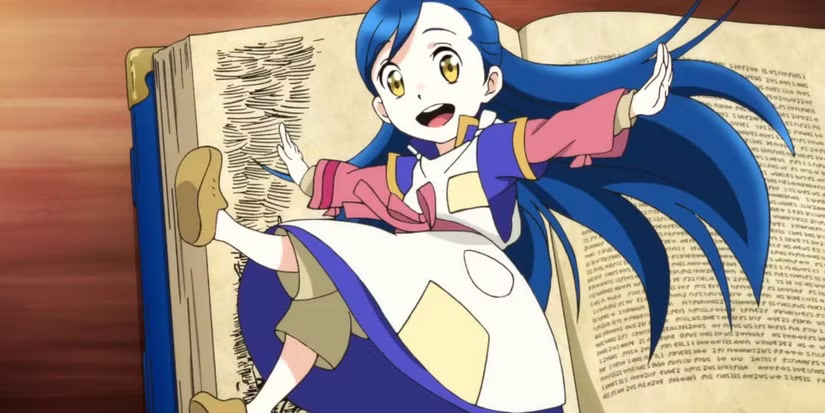
What every isekai has in common is the desire for escapism and there is no better vehicle (pun intended) to be transported to another world than reincarnation. In reincarnation, a character’s old, usually negative life is erased, either through a vehicular accident or strange portal, as they start over again in the new world. They either start from scratch as a child as in the case of “The Ascendance of a Bookworm” and “Mushoku Tensei” (Jobless Reincarnation) or as an existing part of that world as a hero such as “The Rise of the Shield Hero”.
Overpowered Abilities And Game Mechanics
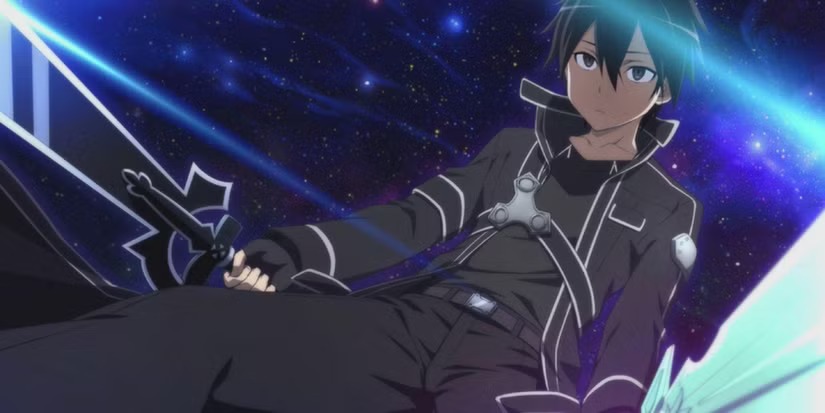
In isekai fantasy settings, a second chance at life also empowers protagonists in the literal sense as they overcome the system with overpowered magic abilities and follow video game mechanics, including level up systems to quickly upskill and life ups that guarantee zero deaths. Often seen in virtual reality isekai like “Sword Art Online”, where the protagonist Kirito is overpowered because of his lengthy experience in the virtual reality simulation. This serves as a form of wish fulfillment as in real life, people do not get to bend the rules without consequence but in a fantasy isekai, they can without any effort or risk.
Why Isekai Became So Popular
Escapism And Second Chances
These isekai stories hook readers because they make people trapped by depression, work stress or their mistakes feel like they can start fresh and make up for their failures in a different life. Reincarnation equals redemption and sometimes, a big flashy sword and the ability to cheat without worry or consequence is fair game compared to a kafkaesque unbalanced real life.
Easy Entry For New Viewers
Isekai is arguably the quintessential light novel or anime experience because it is fresh, new territory. The fantasy worldbuilding is less convoluted for the newcomer, with simple rules and a protagonist that can work as a self-insert due to having relatable or near-empty personalities, for better or worse.
Flexible Story Playground For Creators
Before isekai became a tiresome fad in the anime community, it was a canvas of a genre that could fill any creative idea possible. From its origins, isekai was made for fanfiction authors to experiment and create inventive worlds, whether from a desire for romantic fulfillment, wish fulfillment or a satirical commentary on real-world politics.
Common Criticisms Of Isekai
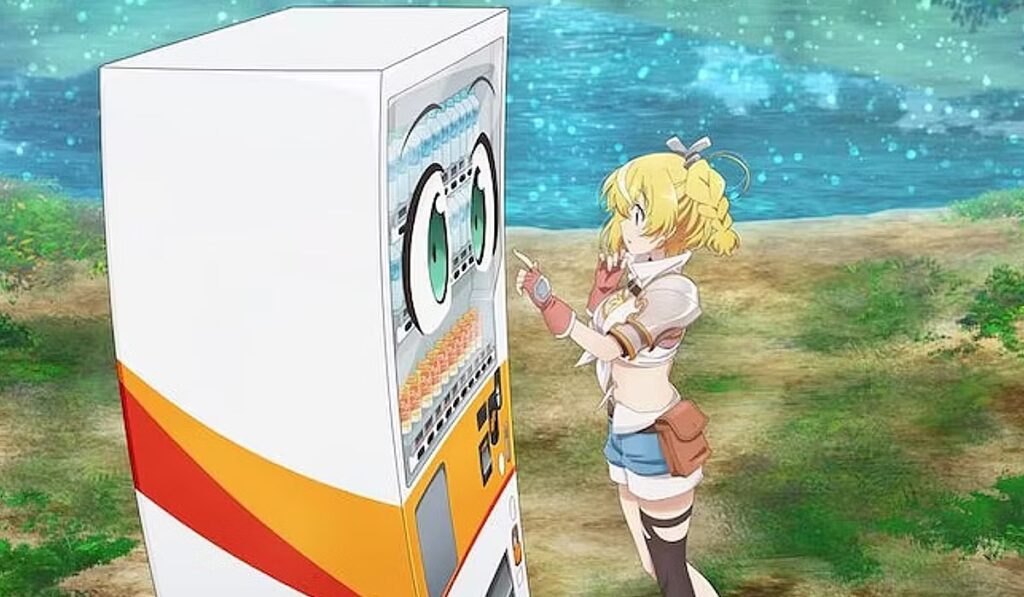
Long Titles, Recycled Plots
The most common complaint people have with isekai are the longwinded titles that nowadays resemble ChatGPT prompts. But behind such a seemingly cliche complaint is a reality, that most isekai follow checklists: overpowered hero, new form (vending machine, sword, animal) harems, demon lord, that makes every isekai story look the same.
Shallow Power Fantasy And Escapism
By making the protagonist a blank slate self-insert, there is barely any storytelling to begin with. The protagonist gets whatever they want with no challenges and tragedies.
Oversaturation And Viewer Fatigue
If there is superhero fatigue from at least two cinematic universes for the past decade, there is also isekai fatigue that can also quickly turn into anime fatigue. Since isekai is an escapist genre of limitless potential, there have been way too many stories set in fantasies or video games that these concepts, which excite the imagination, become plain and boring. This pressure has pushed creators to try new things and more often than not, it means not making an isekai altogether.
The Beauty of Isekai Remains
Self-Worth is the Game
In spite of its many criticisms, isekai is still a mainstay in anime because of its themes of self-worth, reinvention and a resistance to modernity. You can see a Tolkien-esuqe angle in the use of fantasy throughout history and especially in isekai as fantasy is a place where reality is within our hands but also reminds people of the magic of ordinary life, a life without overwhelming burdens, artificial reputations or fatigue. Isekai only lost the magic to the whims of capital and complacency.
Isekai Can Still Subvert the Norm
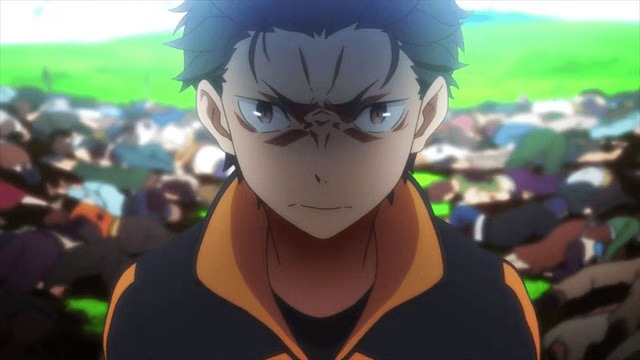
Long before the isekai fatigue, “Re:Zero” addressed the escapism critiques as the protagonist, Natsuki Subaru, has an overpowered ability, “Return by Death” that prevents him from permanently dying by resetting events. However, this is a curse of love from the witch Satella and paralyzes Subaru with trauma, helping him develop a sense of responsibility over his actions and to make his present life count.
Where Can New Viewers Start
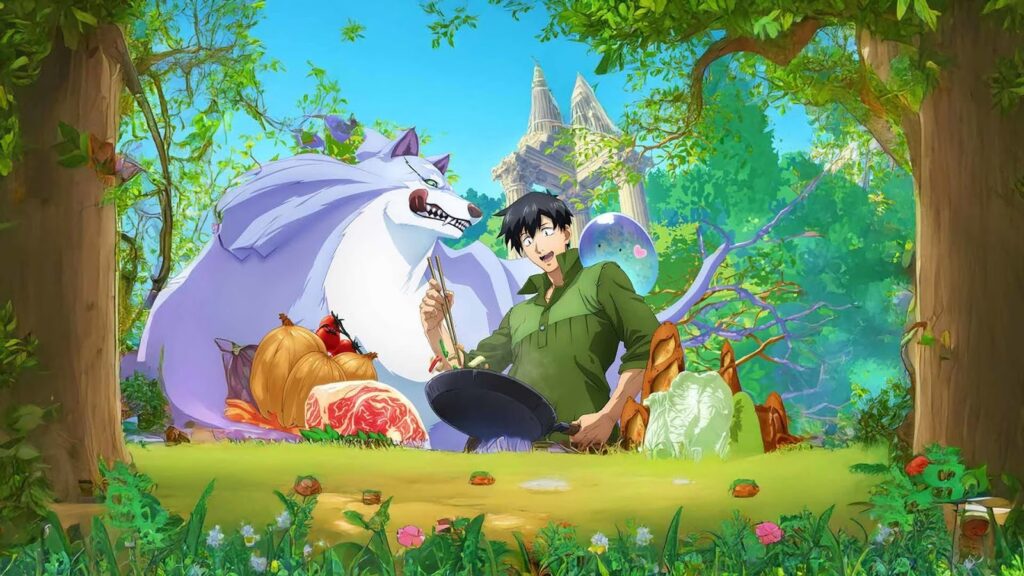
Isekai is more than replacing the boring real world with high fantasy, new romances, and epic battles. Isekai can also be campy and fun. One good place to start isekai is with “Campfire Cooking in Another World with My Absurd Skill”, where the protagonist avoids high fantasy in favor of just making all kinds of food out of this setting. This way, isekai as a genre would not look “all the same” to a newcomer.