

New York Attorney General Letitia James has filed a lawsuit against Valve Corporation, arguing that “loot boxes” in several Valve games amount to illegal gambling under New York law. The state says Valve’s systems in Counter-Strike 2, Team Fortress 2, and Dota 2 push players to pay real money for a randomized chance at rare virtual items with meaningful monetary value.
The complaint also points to Valve’s role as the operator of Steam, which makes it easier for players to buy, trade, and cash out those items.
How Loot Boxes Work Like Slot Machines
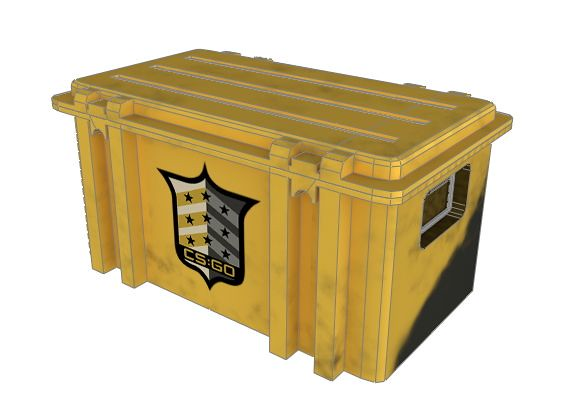
Players pay to open a Loot Box that contains a randomly selected cosmetic item. New York compares the experience to a slot machine. They describe animations like a spinning wheel that lands on a prize that has actual monetary value.
The lawsuit alleges Valve controls the odds. The company is alleged to make certain items extremely hard to win. They rely on that scarcity to keep players
Why Skins Turn Into Real Money
These items are simply skins that change a character’s or a weapon’s appearance. Its rarity can make them valuable on secondary markets where players can sell these skins for real money. New York’s filing highlights examples of rare Counter-Strike skins selling for thousands of dollars, and it cites a reported sale of an AK-47 skin for more than $1 million.
The state also notes reporting that the Counter-Strike skins market surpassed $4.3 billion in March 2025, which helps explain why speculators treat certain skins like investable digital assets. The attorney general says users can sell items on the Steam Community Market, and can also connect to third-party marketplaces that pay out directly.
Valve Faced a Similar Lawsuit in 2022 and Won on a Key Technical Point
Valve has been in court over CS:GO cases and skin gambling before. In January 2022, a US federal court dismissed the final remaining claim in a long-running wave of lawsuits that started in 2016 and accused Valve of facilitating unregulated skin gambling on third-party websites.
What mattered most in that last dismissal was evidence and exposure. The parents bringing the claim couldn’t show they were misled by Valve because they never actually used Steam or saw any statements about loot box odds. The judge’s view was that you can’t prove deception changed your decision if you were never exposed
Valve’s February 2026 Court Win Against “Patent Troll” Claims
Valve also picked up a notable legal win on February 17, 2026, in a separate case that wasn’t about loot boxes at all. A jury in the US District Court for the Western District of Washington sided with Valve against inventor Leigh Rothschild and affiliated entities, finding for Valve on claims tied to Washington’s Patent Troll Prevention Act, the state Consumer Protection Act, and breach of contract allegations linked to a prior licensing deal.
Reporting on the verdict says the jury also issued an advisory finding that at least one claim tied to US Patent No. 8,856,221 was invalid. In terms of money, coverage has put the overall amount owed to Valve at roughly $152,000, while another report notes $22,092 in damages tied specifically to the anti-patent-troll claim.

