
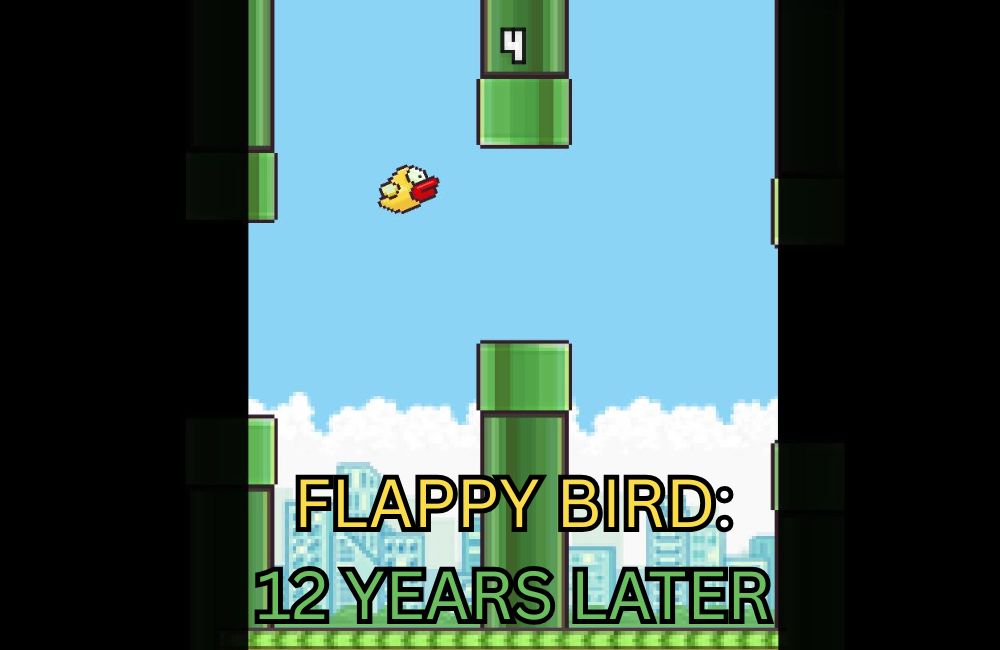
Flappy Bird launched on iOS in May 2013, made by Vietnamese indie developer Dong Nguyen under his small studio dotGears. It’s the definition of simple: tap to keep a tiny bird (often referred to as “Faby”) in the air and squeeze through pairs of green pipes. Its simple gameplay and extreme difficulty made Flappy Bird a viral iOS/Android app. That same viral status was also the reason Nguyen took down his popular game.
How A Quiet App Became A Global Obsession
For months, the game sat quietly in the app store noise. Then early 2014 hit, and Flappy Bird turned into a shared challenge. Everyone is challenging each other to beat their score. The Android release on January 30, 2014, further made the game accessible to everyone.
Attention also surged through YouTube and social chatter. PewDiePie posted a playthrough on January 27, 2014, which further boosted Flappy Bird’s popularity.
The game came out at a time when gamers were obsessing over high scores and extremely difficult games. It was the peak of the Soulslike meme. By the time the story reached mainstream outlets, the game was being described as a chart-topper with more than 50 million downloads. Nguyen reported an ad haul of about $50,000 a day in one interview.
The Moment Dong Nguyen Pulled The Plug
Then came the move nobody expected. On February 8, 2014, Nguyen posted: “I am sorry ‘Flappy Bird’ users, 22 hours from now, I will take ‘Flappy Bird’ down. I cannot take this anymore.” He followed up by saying it wasn’t about legal issues, and he wasn’t selling the game.
About a day later, the app disappeared from the major stores, but it still worked for anyone who already had it installed. In interviews reported at the time, Nguyen framed it as a response to what it had become, calling it an “addictive product,” and he also said the success was affecting him personally, including not being able to sleep.
What We’re Celebrating 12 Years Later
Celebrating a shutdown sounds backwards, but Flappy Bird’s exit is worth remembering. A creator hit the jackpot, saw the downsides clearly, and chose a clean ending. This was an incredibly rare scenario. Reporting at the time also captured how ugly the internet can get when a simple game becomes a global pressure cooker. Harassment and threats can pile onto a single developer in real time.
The aftermath was immediate and chaotic: clones flooded app stores at a ridiculous pace, with reports of roughly 60 Flappy Bird-style copycats hitting Apple’s store per day at the peak. Twelve years later, the original Flappy Bird still feels like a time capsule of early mobile gaming.
To celebrate, you can play an iteration of the game through this site: https://flappybird.io/

